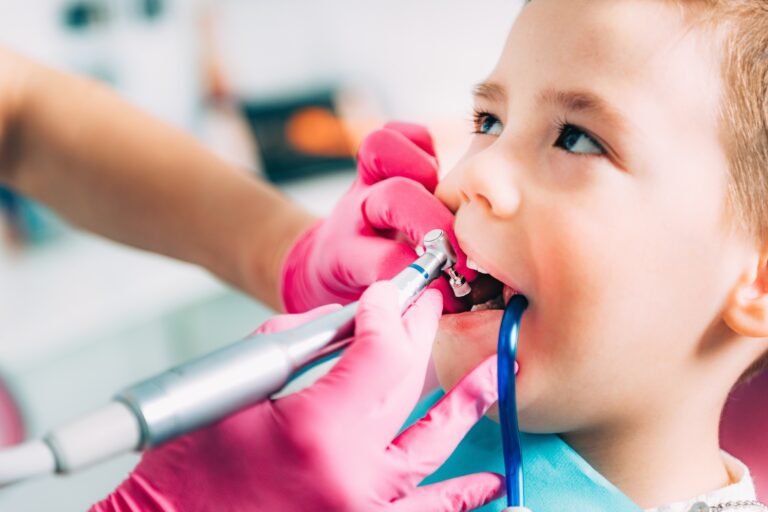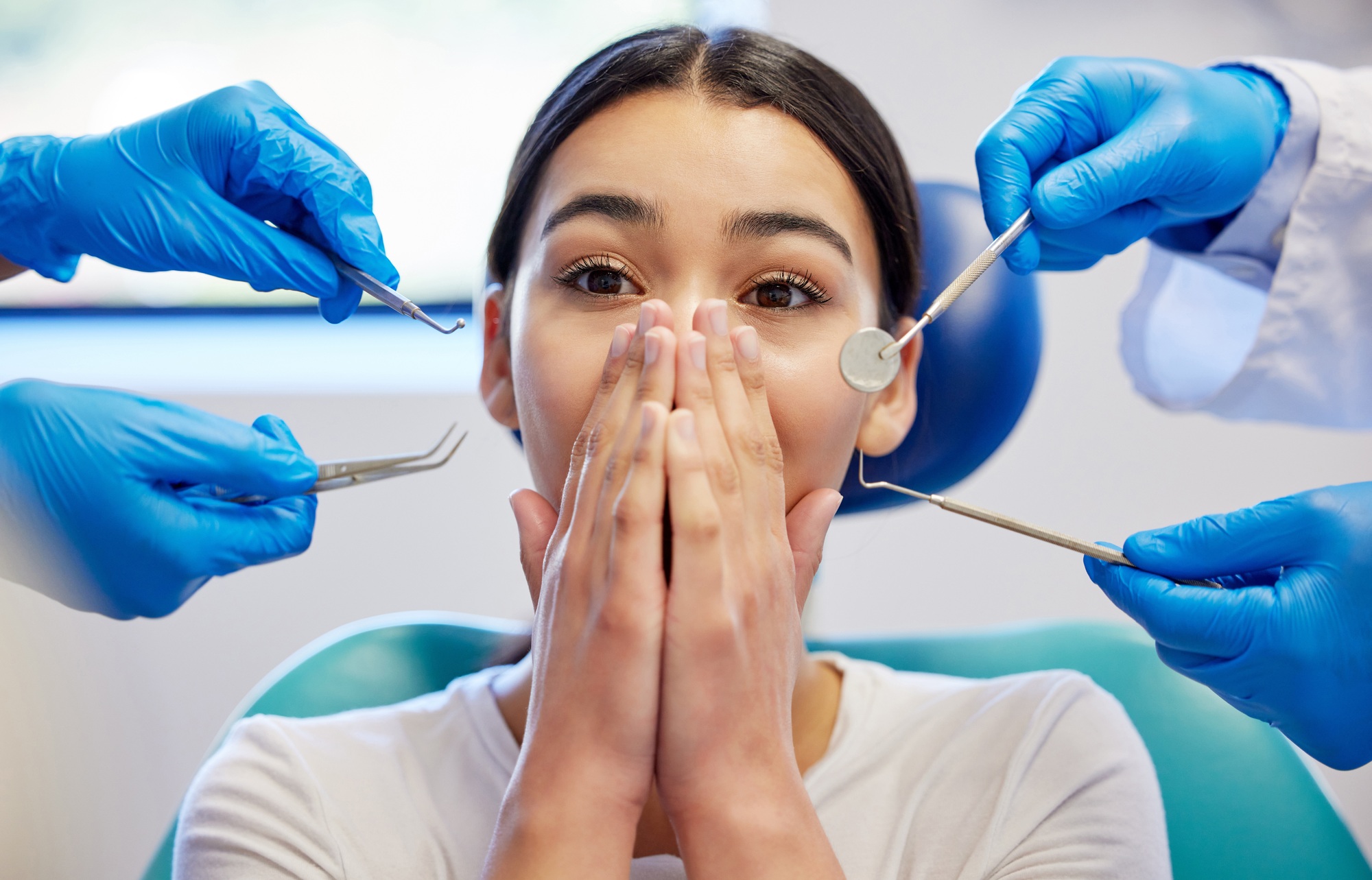
Dental anxiety is more common than you might think—and it can range from a bit of nervousness to full-on dental phobia.
If you’ve ever felt a rush of dread just thinking about sitting in that dental chair, you’re not alone. The Cleveland Clinic reports that about a third (36%) of people in the U.S. have a fear of dental treatment, and about 12% have an “extreme fear.”
For many, it’s the worry about pain, the sound of the dental tools, or even the fear of discomfort during the procedure that makes the whole experience seem… well, nightmarish.
It’s totally understandable if you feel this way, and you don’t have to face it alone. There are several ways you can reduce your fear of the dentist and make your next dental treatment a lot more comfortable. Your oral health matters, and we’re here to help.
Here are some tips that might make all the difference when it comes to feeling at ease during your next dental appointment:
1. Talk to Your Provider About Your Dental Anxiety
One of the most important steps in easing dental anxiety is having an open conversation with your dentist. If you’re feeling nervous or have a fear of the dentist, don’t be afraid to speak up before your appointment!
Dentists are more accustomed to working with anxious dental patients than you might think, and they’re more than happy to listen to your concerns. Your provider can offer reassurance, walk you through what will happen during your treatment, and make any adjustments to help you feel more comfortable while still prioritizing your oral health.
Tell Your Provider About Specific Traumatic Experiences & Dental Fears
If you’ve had any past experiences that have directly impacted your dental phobia, let your dentist know. This will allow them to approach your care and anxiety disorder with more empathy and understanding.
After all, the goal is for you to feel good about this whole thing, so you can have a positive experience and keep up with your oral health.
2. Practice Relaxation Techniques for Dental Anxiety and Phobia
Before and during your dental procedure, trying out a few relaxation techniques can make a big difference in easing your nerves. Simple things like deep breathing, visualizing a peaceful place, or even playing some calming music can help take your mind off the procedure.
Today, many dental offices also offer stress-busting options like cozy weighted blankets or soothing aromatherapy to help you feel more at ease. These little touches might seem simple, but they can be effective in calming your dental fear and making your visit more comfortable.
3. Bring a Support Person to Your Dental Visit
Having a friend or family member with you at your appointment can really help take the edge off your dental fear. They’re there to keep you calm and offer some emotional support, and just knowing they’re by your side can make a huge difference when you’re feeling nervous.
4. Take Small Breaks if Needed
If you have a dental phobia, know that YOU are in control. If at any point you feel overwhelmed or need a break, tell your provider. They can and will stop the dental procedure, give you time to relax, and proceed when you feel ready.
This can help prevent overwhelming feelings of dental fear and allow you to maintain a sense of control during your visit.
5. Understand Your Dental Treatment Plan
A lot of dental anxiety stems from the unknown. So, take the time to ask your dentist questions about your dental procedure, what it involves, and what to expect. Knowing exactly what will happen during your dental treatment can ease fears and make the process feel less intimidating, even if you’ve had traumatic experiences in the past.
The more informed you are, the more confident you’ll feel about your oral health and the care you’re receiving. You’re in the driver’s seat!
6. Gradual Desensitization at a Dental Practice
If dental anxiety or phobia is something you struggle with, a gradual approach might be helpful. This means coming into the dental office for a few visits where no treatment is actually done—just getting familiar with the environment, the sounds, the people, and the dental instruments.
Little by little, this can help you feel more comfortable in the dental setting and ease that dread for future appointments. Managing mild anxiety or true dental phobia is all about taking small steps at your own pace.
7. Start with a Tooth Cleaning
If you’re nervous about going to the dentist, you may want to begin with a simple cleaning. This is often a low-stress procedure that allows you to ease into dental treatment.
Getting to know your dentist and feeling comfortable with the routine can really help ease any nerves and make future dental care feel much smoother.
8. Use Positive Reinforcement
After a successful dental visit, make sure to reward yourself! Positive reinforcement can help shift your mindset and create a more positive association with dental treatments.
Coping strategies, like acknowledging your progress and celebrating small wins, can also help combat any lingering negative feelings. Whether it’s treating yourself to something you enjoy or simply recognizing your bravery, taking a moment to appreciate how far you’ve come can make future dental procedures feel less daunting and more manageable.
9. Remember: Oral Health Is a Part of Your Overall Health
It’s easy to put off a dental appointment due to nightmares and nerves, but trust us: avoiding the dentist can lead to more serious health problems down the line.
We aren’t just talking about cavities or gum disease. Gum disease and oral health are intricately linked to your overall well-being.
In fact, untreated dental issues can increase the risk of serious conditions like heart disease, diabetes, and even dementia. For instance, individuals with gum disease are 28% more likely to suffer a heart attack and twice as likely to experience a stroke. Moreover, the World Health Organization estimates that severe periodontal diseases affect over 1 billion people worldwide.
Dental anxiety can make it tough to even think about sitting in that dental chair. The problem is, putting off those visits because of anxiety can lead to seriously poor oral health and bigger health issues later on.
Rather than letting that happen, talk to your dentist about your fears and reducing dental anxiety.
Know When to Get Help for Anxiety Disorders
If your dental anxiety is affecting your ability to get the care you need, it might be time to seek additional help.
For some, anxiety can go beyond the dentist’s office and become a bigger issue, like a full-blown anxiety disorder. If you’re struggling with constant fear or panic attacks, it’s worth talking to a counselor or mental health professional who can provide strategies to cope.
Sometimes, outside support can help you manage anxiety in a way that makes dental visits (and life in general) feel a lot more manageable. Don’t hesitate to reach out for support; your mental well-being is just as important as your oral health.
Let’s Make Your Next Dental Treatment a Comfortable One
At Rocket City Dental, we know that dental anxiety is a very real concern for many of our Huntsville patients, and we’re here to help. Our Alabama dental practice is committed to creating a supportive, calm environment where your comfort truly comes first.
If you experience dental anxiety (or if you have a strong dental phobia), please don’t hesitate to ask about the options we offer to make your visit as relaxed as possible.
Trust us: this isn’t our first rodeo, and we’ve got some tricks up our sleeves to make dental treatment more enjoyable, even for anxious patients.
Need a cleaning? Hoping to get through a necessary dental treatment without the nerves? Book your appointment at our Huntsville dental office today!