Most of us learn how to brush our teeth as kids and never think twice about it.
But here’s the truth: just because you brush every day doesn’t necessarily mean you’re brushing the right way. Small mistakes in the way you brush your teeth can lead to issues like plaque buildup, gum irritation, and tooth decay.
The good news? Proper brushing techniques aren’t complicated, and it doesn’t require expensive tools or major changes to your oral hygiene routine. You can protect your oral health and feel more confident about your daily care with a few minor adjustments.
At Rocket City Dental, we’re here to help you build healthy habits that last. In this post, we’ll walk through the simple, dentist-recommended brushing techniques that really make a difference, so you can brush smarter and smile brighter.
Why Brushing Technique Matters More Than You Think
Many people assume that if their teeth feel clean or look white, they’re in good shape. Yet, what you can’t see is often what causes the most trouble.
When done correctly, brushing removes food particles and bacteria before they have a chance to cause damage. Still, even a consistent routine can fall short if your technique is off.
Think of it like washing your hands. A quick rinse might look fine, but without proper scrubbing, you leave behind germs that can do harm.
Tooth brushing works the same way. Poor technique over time can lead to avoidable dental issues like receding gum lines and sensitive teeth. It also allows plaque to harden into tartar — a rough, yellowish buildup that can only be removed by a dentist.
The Basics: How Often and How Long Should You Brush Your Teeth?
The American Dental Association (ADA) recommends brushing your teeth twice a day for two full minutes. Those two minutes give you enough time to thoroughly clean every area of your mouth without rushing or overdoing it.
Believe it or not, brushing more than three times a day or using too much pressure can backfire. Overbrushing can wear down your enamel and irritate your gums. The goal isn’t to scrub like you’re cleaning a stain. It’s to be gentle, thorough, and consistent.
Step-by-Step: The Dentist-Recommended Brushing Technique
So, how exactly do you brush your teeth properly? Here’s what most dentists, including our team at Rocket City Dental, recommend for optimal oral health:
Step 1: Choose the Right Toothbrush and Toothpaste
Go for a soft-bristled electric or manual toothbrush that’s gentle on your gums and enamel. If you have arthritis or limited mobility, an electric toothbrush can make brushing easier and even more effective.
Stick with a fluoride toothpaste to strengthen your teeth and minimize the risk of cavities. Also, remember to swap out your toothbrush or brush head every three to four months. Or replace sooner if the bristles start to fray.
Step 2: Angle Your Brush Correctly
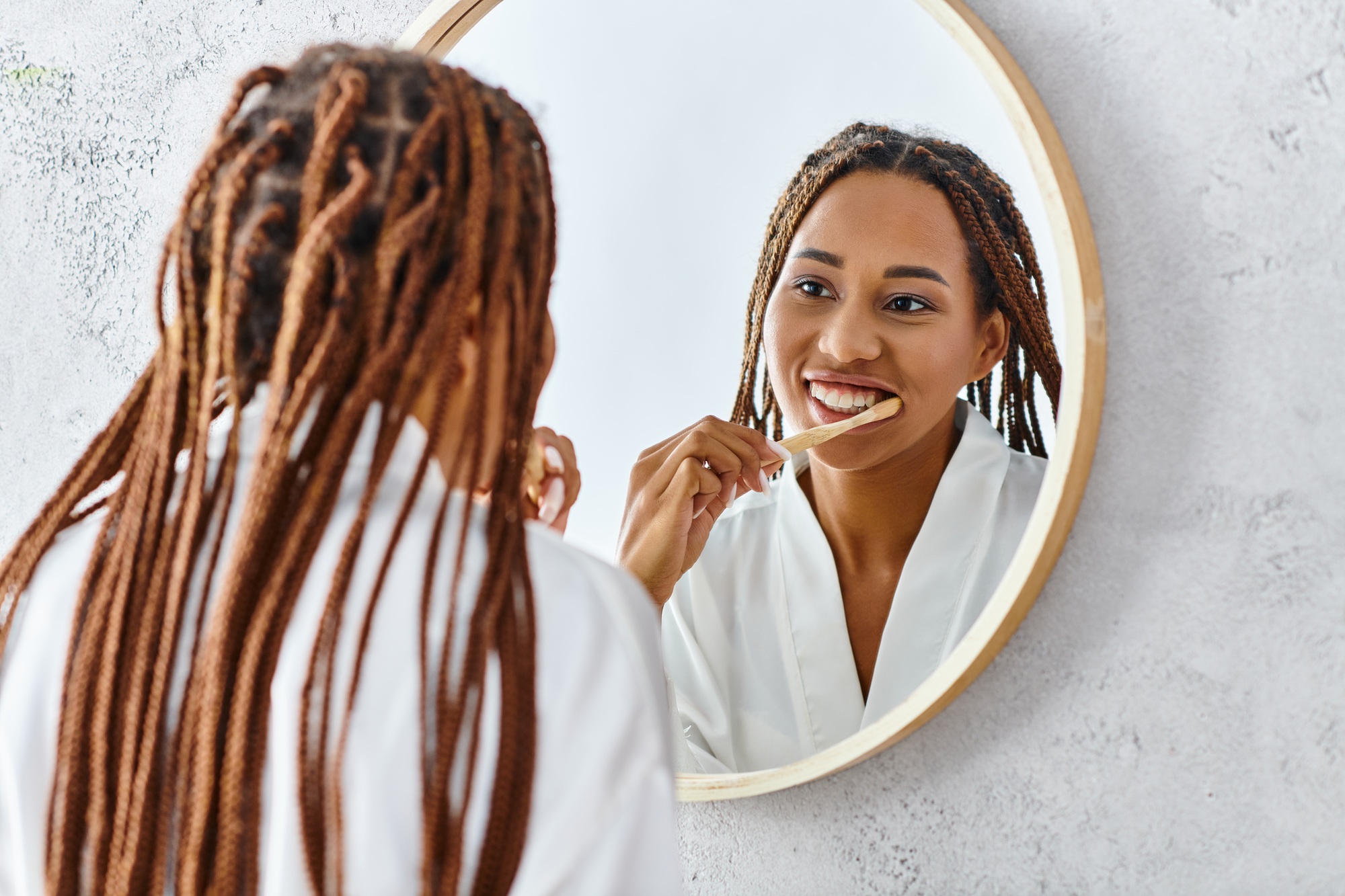
Hold your toothbrush at a 45-degree angle where your teeth meet your gums. This helps clear out plaque that builds up just below the surface. Use small, gentle circles rather than harsh scrubbing. Think of it more like polishing than cleaning grout.
Step 3: Brush in Sections
Divide your mouth into four sections and spend about 30 seconds on each. Make sure to brush the outer surfaces, inner surfaces, and chewing surfaces of all your teeth. This method helps you stay focused and avoid missing spots.
Step 4: Don’t Forget the Gumline, Tongue, and Inner Surfaces
Gently brush along the gumline to clear away bacteria and reduce inflammation. Don’t forget your tongue and inner cheeks, too. A quick daily sweep will fight bad breath, remove more bacteria, and promote good oral hygiene.
Step 5: Rinse and Store Your Brush the Right Way
Once you’re done, rinse your toothbrush with water and stand it upright so it can air dry. Avoid storing it in a closed case, since moisture can lead to bacterial buildup. If you like an extra-fresh finish, follow up with a fluoride mouthwash.
Common Brushing Mistakes (And How to Fix Them)
Even with good intentions, it’s easy to fall into bad habits that can harm your teeth over time. Here are a few of the most common tooth brushing mistakes we see — and easy ways to correct them:
Brushing Too Hard
More pressure doesn’t mean cleaner teeth. In fact, brushing aggressively can lead to gum recession and tooth enamel erosion. Lighten your grip and let the bristles do the work.
Using the Wrong Toothbrush
Medium or hard-bristled brushes can damage your gums over time. Always opt for soft bristles unless your dentist recommends otherwise.
Brushing Too Quickly
If you’re spending less than two minutes on your routine, you’re likely missing certain areas. Try setting a timer or using a toothbrush with a built-in timer.
Skipping Areas
Some patients focus on just the front teeth or forget about the inner surfaces. Be intentional about covering all sides of every tooth, especially the molars in the back.
Neglecting to Floss
Brushing alone doesn’t reach between your teeth, where food debris loves to hide. Using dental floss once a day is essential to keeping your gums and teeth healthy.
Brushing Right After Eating
Wait at least 30 minutes if you’ve eaten something acidic (like coffee, citrus fruits, or soda). Brushing your teeth immediately can actually wear down softened enamel.
How to Know If You’re Brushing Your Teeth Effectively
If your teeth still feel coated after brushing, or your breath doesn’t stay fresh for long, it might be time to reevaluate your technique. A clean mouth should feel smooth and refreshed, not gritty or sticky.
Gum health is another important clue. If your gums bleed easily, look swollen, or feel tender when you brush, your technique may be too aggressive, or not thorough enough. These symptoms can also point to early periodontal disease (gum disease).
Take a quick look at your toothbrush. Are the bristles bending outward or looking worn long before it’s time to replace it? That’s often a sign you’re brushing with too much force.
Finally, pay attention to what your dentist and dental hygienist say during cleanings. If plaque and tartar are building up in the same areas, visit after visit, you may be missing spots in your daily routine. Small changes in your brushing method can make a big difference in your long-term oral health.
Creating a Brushing Routine to Your Needs
Oral health isn’t one-size-fits-all. If you have crowns, bridges, braces, or dental implants, you may need to adjust your brushing technique or use additional tools like interdental brushes or water flossers. Children, seniors, and people with limited mobility may also benefit from electric toothbrushes or adaptive handles.
At Rocket City Dental, we’re always happy to walk you through personalized dental health recommendations. Whether you need a refresher on your technique or tips on choosing the right tools. Our goal is to make proper oral hygiene easy and stress-free.
Small Changes, Big Results
Good brushing habits are the foundation of a healthy smile. With a few small tweaks, you can protect your enamel, care for your gums, and avoid common dental issues before they start.
If you’re unsure whether your technique is working or just want a little guidance, we’re here for you. Our team takes the time to answer your questions, walk you through the right tools and methods, and keep your smile in top shape at every visit.
Want a healthier, brighter smile? Schedule your next cleaning with Rocket City Dental in Huntsville, AL, today.